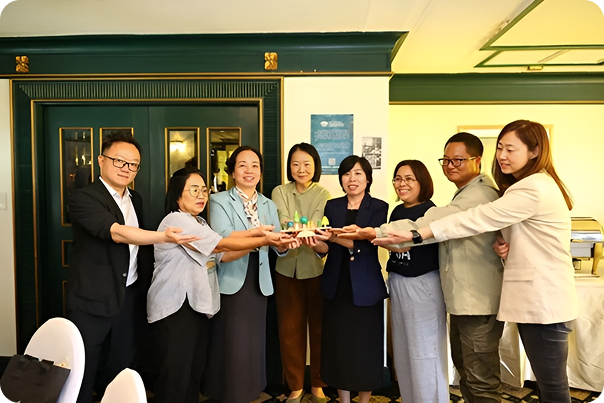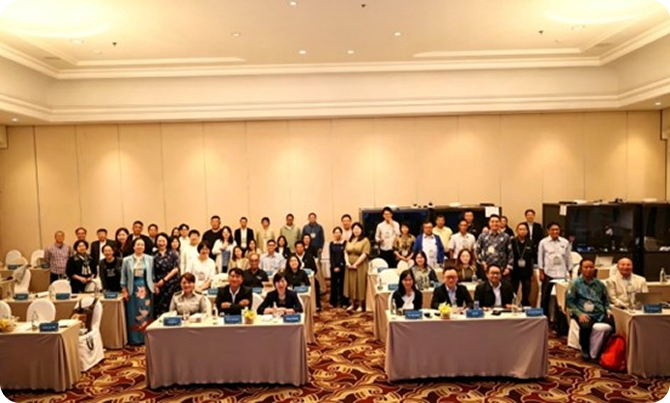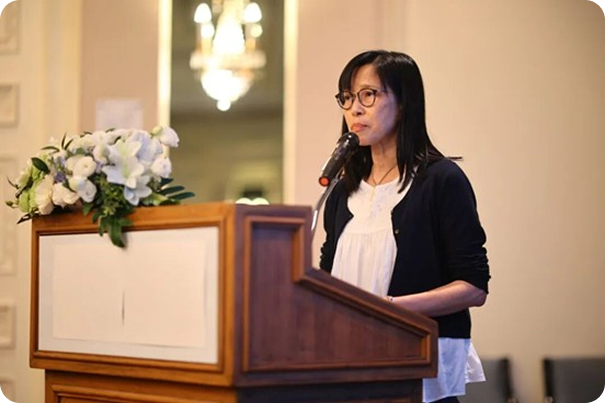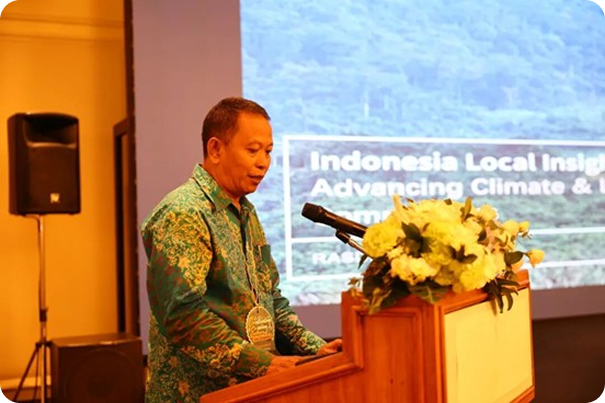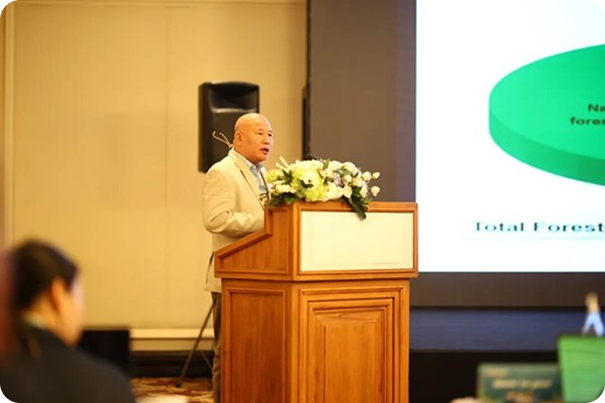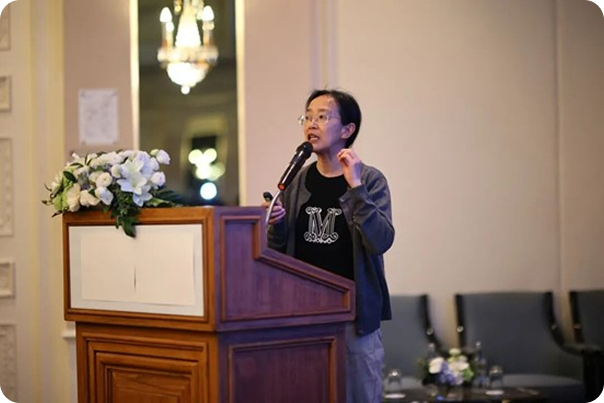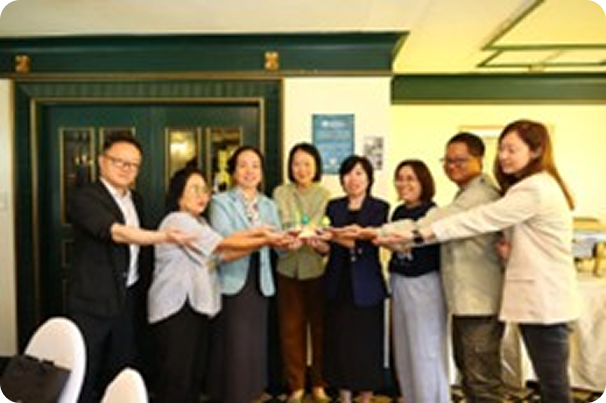
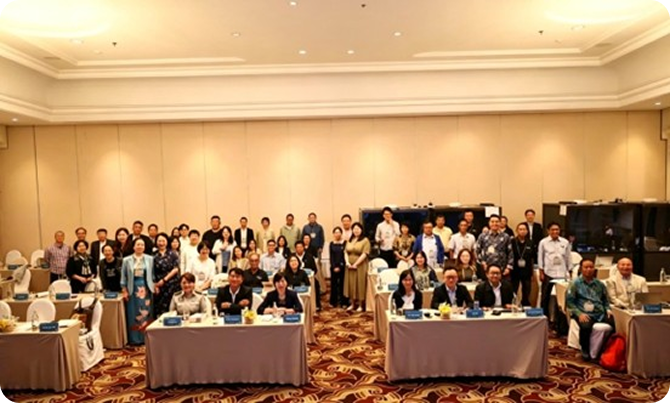
From 18 to 20 March 2026, a forum marking the launch of the China-Southeast Asia NTFP Network was held in Chiang Mai, Thailand. Hosted by the China Association for NGO Cooperation (CANGO), co-organized by Beijing Forestry University and the Faculty of Agriculture at Chiang Mai University, and funded by the EarthCare Foundation (ECF), the forum was convened under the theme “Co-Cultivating the Future: Flourishing with Forest Communities.” It brought together nearly 60 participants, including scholars, community practitioners, and representatives of social organizations, from Thailand, Indonesia, Vietnam, as well as the Chinese mainland and the Hong Kong SAR of China. Against the backdrop of global climate change, discussions at the event focused on the twin challenges of ecological degradation and livelihood vulnerability facing forest communities. Guided by the vision of harmonious coexistence between humanity and nature, the forum aimed to build a cross-border civil society collaboration network to strengthen knowledge and experience sharing between China and Southeast Asian countries in non-timber forest products (NTFPs).
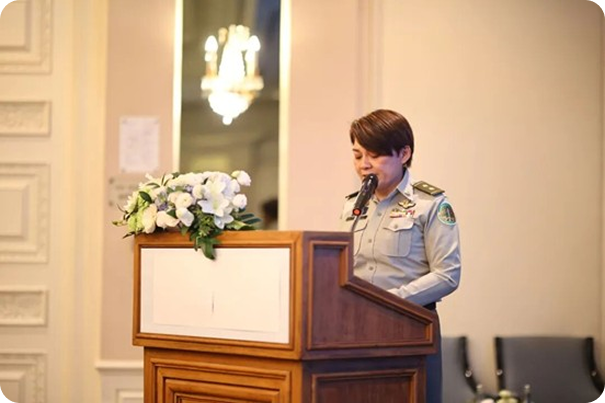
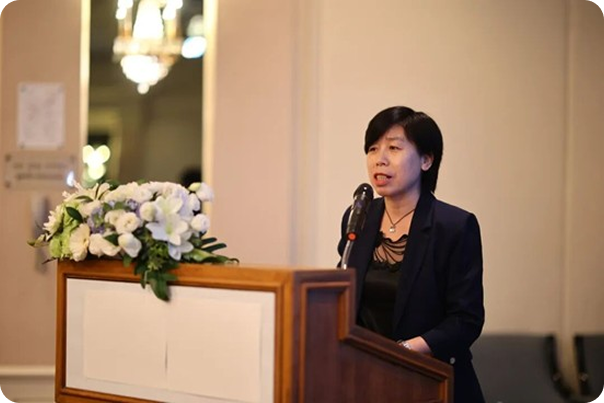
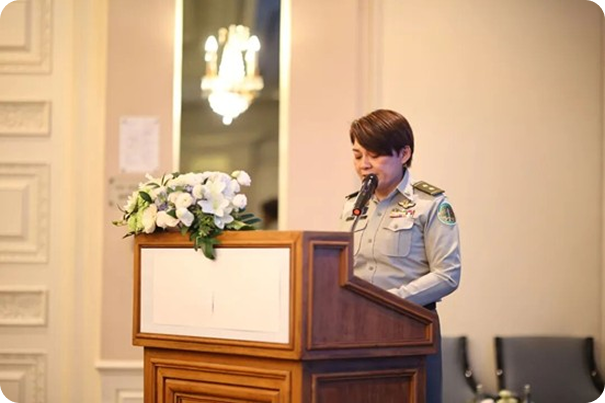
During the opening ceremony, representatives from the Community Forest Management Office (Bangkok) and the Forest Resource Management Office (Chiangmai), as well as the EarthCare Foundation and CANGO, delivered speeches.
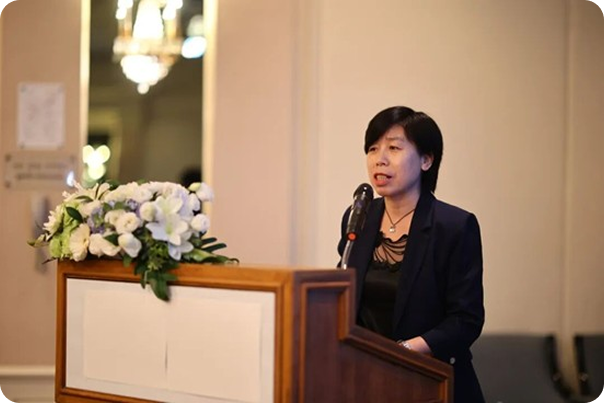
Ms. Wang Xiangyi, Vice Chair and Secretary-General of CANGO, stated: “Climate change places pressure on both the ecosystems and livelihoods of forest communities. This initiative focuses on advancing NTFP development across China, Thailand, Indonesia, and Vietnam by establishing a regional collaboration network that enables international field visits and policy dialogues. We aim to pool resources from all stakeholders to build an inclusive, open platform for cooperation. This will enable local practices to be transformed into shared regional strategies, empowering forest communities to better protect their ecosystems and improve their livelihoods.”
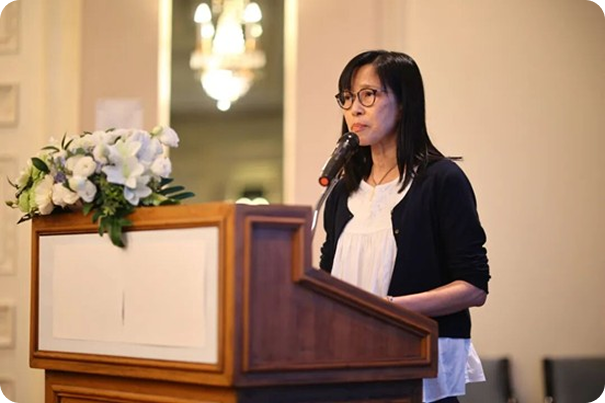
Ms. Ho Sau Fong, Director of the EarthCare Foundation, remarked: “I am deeply grateful for the close cooperation among the organizers and partners. The efforts of community practitioners and experts from each country are truly commendable. By supporting this initiative, we hope to foster regional collaboration on NTFPs and help balance ecological conservation and community well-being.”
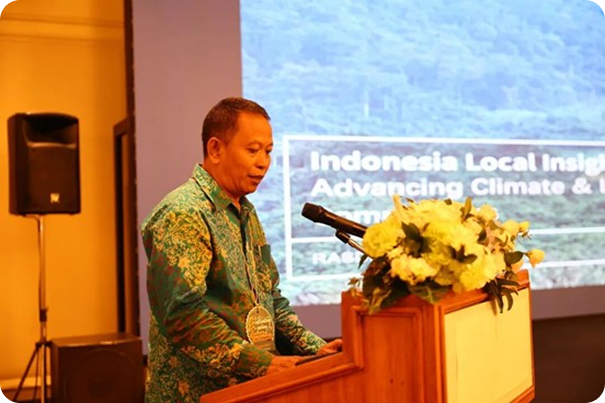
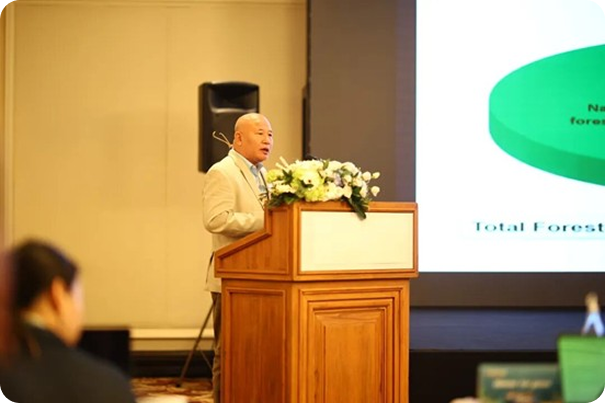
Keynote speeches were delivered by Professor Xie Yi of Beijing Forestry University, Mr. Rasdi Wangsa of the Jaringan Kearifan Tradisional Indonesia (JKTI), and Professor Pham Quang Thu of the Vietnamese Academy of Forest Sciences, among others, who shared country-specific experiences in NTFP development.

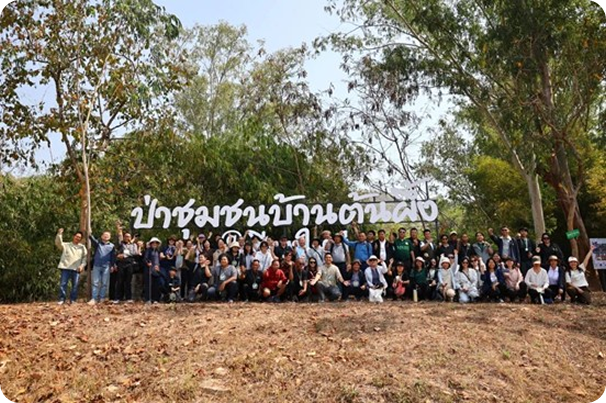
During the forum, participants presented ten innovative case studies from across the region. Highlights included the industrial chain of the NTFP black lingzhi mushroom (Lucid Ganoderma) in Yunnan, China, afforestation with native tree species and community-based carbon sink initiatives in Thailand, and peatland ecological restoration in Indonesia. Delegates also visited Ban Ton Phung in Chiang Mai. There, they gained firsthand insight into the community’s successful transformation, which has delivered both environmental and economic benefits through NTFP cultivation and waste recycling.
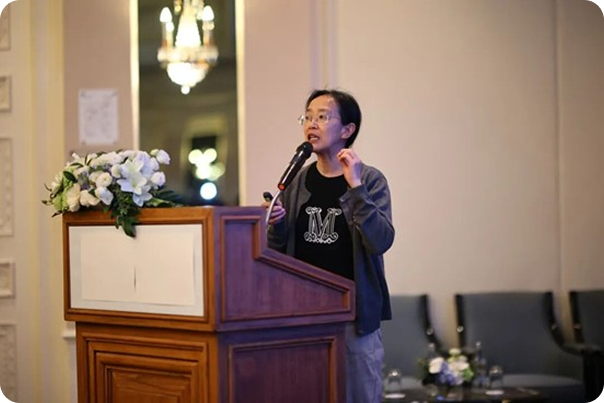
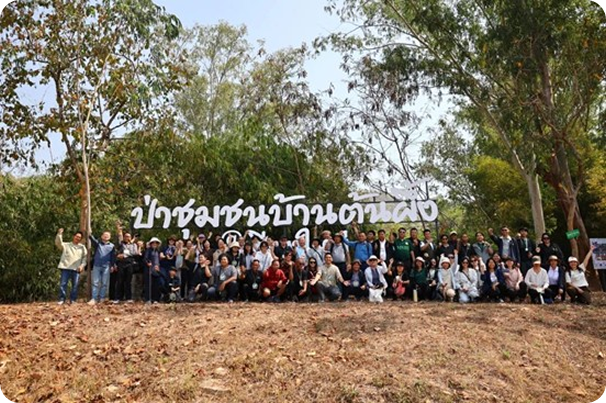
On March 20, the forum moved into the action planning and network launch phase. Led by CANGO, the community group held in-depth discussions on core topics relating to the network, including its positioning, shared values, governance rules, and cooperation mechanism. These discussions led to the clarification of the network’s long-term objectives, operating mechanisms, and platform content development plans. Simultaneously, the academic group led by Beijing Forestry University reached a consensus on several key areas. Their discussions focused on the functions and principles of the regional and scholars’ networks, the relationship between the two networks, the development of knowledge products such as agroforestry system management guidelines, and cross-border academic exchange mechanisms. The forum culminated in the formal launch of the China-Southeast Asia NTFP Network. The new alliance has identified three main areas for collaboration: policy alignment, academic support, and community pilot projects. Funded by the EarthCare Foundation, the network will carry out capacity building, policy advocacy, and cross-border exchanges over the next two years, all aimed at advancing regional ecological conservation.